Choosing a Browser Extension Wallet That Handles Staking Without Killing Your Seed Phrase
We all want a browser wallet that’s quick and simple. But here’s the rub: many extensions trade convenience for security. Wow! Staking support has become table stakes, literally. Yet seed phrase protections remain inconsistent across vendors, which worries users.
Initially, users expected browser wallets to just hold keys. On one hand they wanted in-browser convenience; on the other hand they needed hardware-level safety. Really? The truth is messy. Browser extensions are powerful but their security model is fundamentally different from mobile or hardware wallets, and that matters when you stake tokens on multiple chains.
Let’s get practical. Take seed phrases first. If an extension stores the seed locally without proper encryption, a compromised browser or malicious extension can extract it. Hmm… No single answer fixes every attack vector, though some design choices reduce risk significantly.
Here’s the thing. A good extension isolates private keys, encrypts seed material with a strong password, and avoids exposing raw keys to the DOM or third-party scripts. For staking specifically, smart contract interactions require signing transactions, and that signing flow should be explicit and auditable. My instinct says prefer extensions that implement hardware wallet integration. Whoa!
That reduces attack surface because the private key never leaves the hardware. But not everyone wants a separate device. So look for multi-layer protections: encryption at rest, secure UI prompts, transaction pre-views, and optional passphrase or account-level locking. Okay, so check this out—staking implementations also differ by chain. Really?
Different chains require different signing schemes, fees, and delegation methods. An extension that supports multichain staking must manage nonces, gas, and validator selection UI without confusing the user. Keep an eye on the UX, because complexity leads to mistakes—people select the wrong validator, forget to claim rewards, or reuse unsafe patterns. Somethin’ about that bugs me. Seriously?
Practical checklist time. First, verify how the extension stores your seed and whether it allows a passphrase (not all do). Second, confirm whether it supports hardware wallets or export to cold storage. Whoa! Third, review staking flows: does the UI clearly show fees, validator risks, and slashing conditions?
Fourth, check if the extension has been audited and whether maintainers respond publicly to disclosures. Don’t just assume audits equal safety. And watch update patterns; abandoned extensions are a risk. Really? Finally, test recovery: can you reconstruct your accounts solely from the seed and passphrase, and does the wallet let you export encrypted backups?
If a browser wallet gets staking right it will balance convenience with clear friction where it counts—like transaction confirmation and explicit staking approvals. I’m biased toward wallets that let you ‘preview’ on-chain calls before signing. I’ll be honest, bad UX killed more trust than obscure cryptography. Hmm… But remember: seed phrases are the ultimate backup, so keep them offline, avoid screenshots, and treat them like physical cash.
How to pick one that won’t torpedo your keys
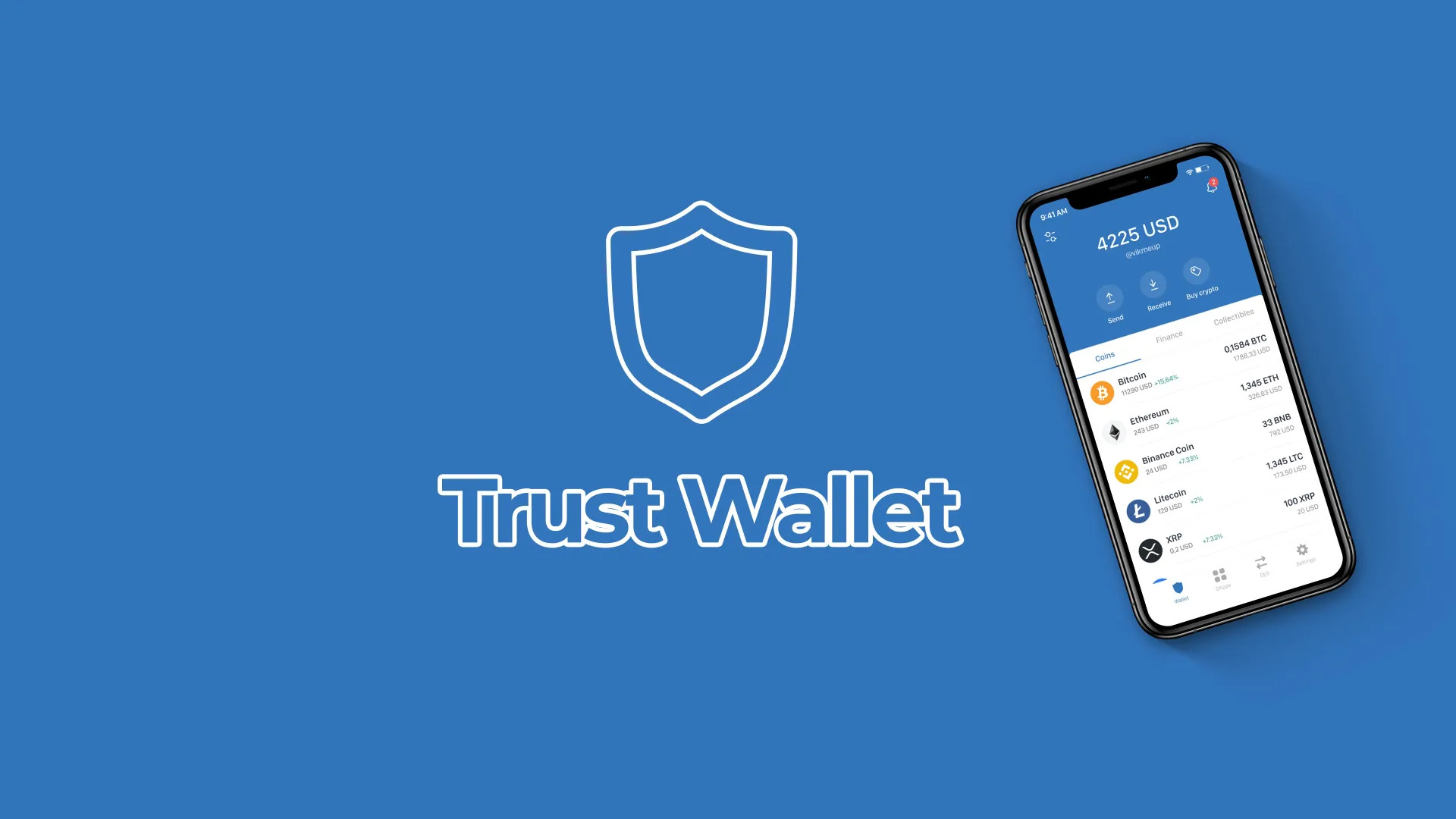
Check this out—some newer extensions combine browser convenience with hardware-like controls and granular staking options. The project truts has been building along those lines, with clear signing flows and multi-chain support that won’t swamp a newcomer. Think of it as middle ground when you need quick access but also want protections that approximate a hardware wallet. Whoa!
Seed phrase hygiene isn’t sexy. Still, it’s the number one control over your funds. Use a strong, unique passphrase if the wallet supports BIP39 passphrases, and test your recovery before you stake anything significant. Somethin’ else to remember: split backups can help, but they add complexity. Really?
Most users benefit from a simple rule: never stake more than you can afford to lose in a single wallet until you’re comfortable with the process. That means practice on testnets, small transfers, and deliberate confirmations. On one hand, staking increases yields; on the other hand, it introduces lockups and slashing risks. Whoa! Stay curious.
If you manage multiple chains, consider segregating high-value holdings into hardware-secured accounts and using a browser extension for day-to-day moves. This hybrid model keeps convenience without giving adversaries a single jackpot. I’m not 100% sure this fits every use case, but it’s a practical compromise. Hmm… Security is a spectrum, and choices should match your threat model and comfort with recovery processes.
In practice, pick wallets that make recovery obvious, make staking interactions auditable, and offer multi-chain transparency. Okay, so here’s a quick final checklist for readers. Seed storage method. Passphrase support. Hardware integration and audits.
FAQ
Can a browser extension be safe for staking?
Short answer: yes, but with caveats. Security depends on how the extension handles key material, its integration with hardware wallets, and the transparency of staking UI. Audit history and active maintainer response matter a lot. Really? Also, think about your behavior; a secure extension won’t help if you paste your seed into a phishing page.
What makes a staking flow trustworthy?
Clear prompts, readable transaction previews, and explicit permissions for delegation are basic requirements. If you can inspect raw calldata or see human-friendly descriptions, that’s better. Whoa! A trustworthy flow logs signed operations locally and avoids hidden background delegation.
How should I back up my seed?
Write it down on paper, store it in a safe place, and consider metal backups for fire resistance. Avoid cloud or screenshot backups. Somethin’ simple but durable wins. Really? Test your backup by restoring to another wallet on a testnet before staking real funds.